Highlights Of The Program
2 days business program:
Learn from real-world case studies by industry leaders.
SHOWCASING INNOVATION:
Discover the latest technology and techniques from across the industry.
leaders talk:
Hear from top-level experts about how to stay ahead in a fast-changing industry.
MULTIPLE STREAMS:
A business program that is multi-disciplinary, giving you a broad view of the industry.
SMART TECHNOLOGIES:
Explore the latest smart and AI-driven solutions, and see how they can be used in your business.
roundtable discussion:
Join talks with industry peers. Share ideas, make connections, and find new partners.
Program 2026
DAY 1 :
MONDAY, 13 JULY, 2026
08:00 - 08:50
REGISTRATION AND MORNING REFRESHMENTS
08:50 - 09:00
OPENING ADDRESS
09:00 - 09:30
RESERVED PRESENTATION
09:30 - 09:55
INTRODUCING FOAM FRACTIONATION FOR PFAS REMEDIATION
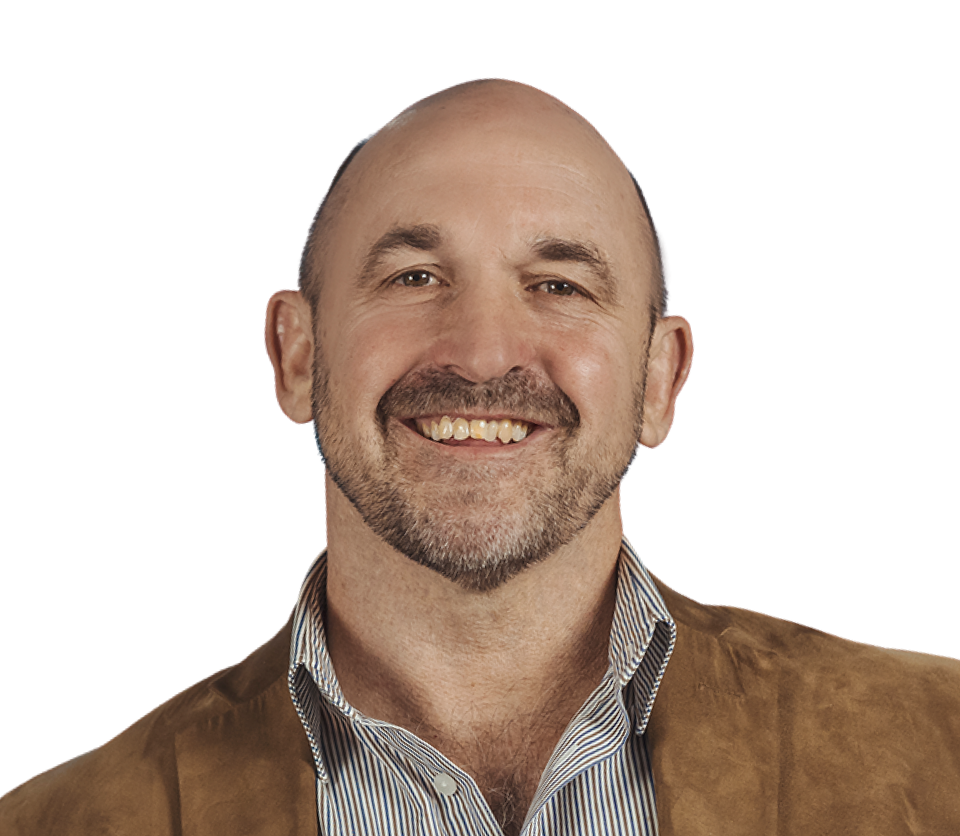

Peter Murphy
EPOC Enviro
- Explaining PFAS separation through the air-liquid interface and key design factors impacting efficiency
- Highlighting sustainability benefits, low waste output, and broad applicability across sites
- Demonstrating real-world performance and versatility through targeted case studies
09:55 - 10:00
Q&A SESSION ON OPTIMISING FOAM-BASED PFAS REMEDIATION
10:00 - 10:30
SPEED NETWORKING SESSION
- Exchange business cards and get connected in short one-to-one meetings
- Start the conversation to arrange a more formal meeting later on in the conference
- Share your professional background and discuss your biggest business issues – don't forget your business cards!
10:30 - 11:00
MORNING COFFEE BREAK IN THE EXHIBIT AREA
11:00 - 11:30
PANEL DISCUSSION ON FROM REGULATION TO IMPLEMENTATION: NAVIGATING EVOLVING PFAS FRAMEWORKS AND COMPLIANCE PATHWAYS
11:30 - 11:55
USE OF ELECTRO-OXIDATION TO DESTROY PFAS WHILE ELIMINATING PERCHLORATE
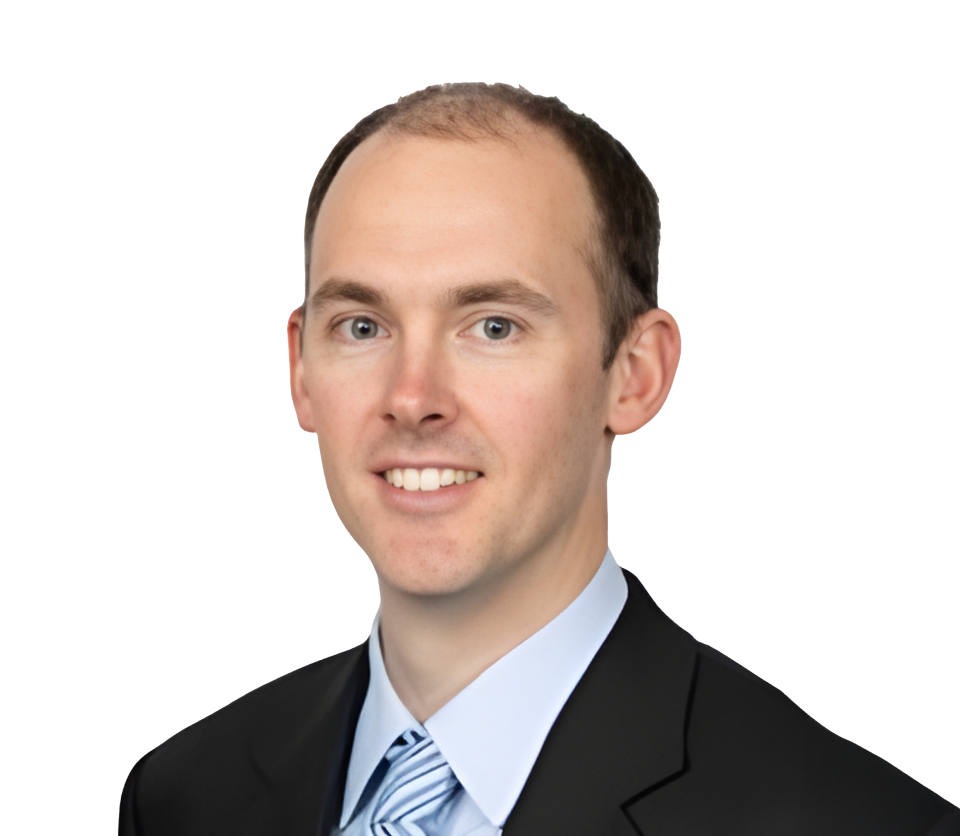

Andrew Sullivan
WSP
- Presenting WSP’s PFASER system using electro-oxidation to break down PFAS in water supplies
- Assessing boron-doped diamond electrodes, including analysis of scalability, costs, and efficiency
- Sharing results from bench and pilot trials, including a novel two-step perchlorate-removal process
11:55 - 12:00
Q&A SESSION ON PILOT-SCALE PFAS DESTRUCTION VIA ELECTRO-OXIDATION
12:00 - 12:30
RESERVED PRESENTATION
12:30 - 13:30
NETWORKING LUNCH AND VISITING THE PFAS TREATMENT EXHIBITION
13:30 - 14:00
PANEL DISCUSSION ON FUNDING PFAS TREATMENT: UNLOCKING GOVERNMENT SUPPORT, COST MODELS, AND UTILITY PARTNERSHIPS
14:00 - 14:25
REMOVING PFAS TO AN UNDETECTABLE LEVEL


Paul Callaghan
Oleology
- Retrofitting existing industrial systems with advanced oil-in-water separation technology to achieve PFAS compliance at high-flow rates
- Achieving non-detect outcomes through data-driven removal strategies and sustained operational reliability
- Balancing lifecycle costs, waste-stream management, and emerging destruction technologies for scalable PFAS solutions
14:25 - 14:30
Q&A SESSION ON PROPRIETARY FILTRATION APPROACHES FOR NON-DETECT PFAS OUTCOMES
14:30 - 14:55
ADDRESSING PFAS AND EMERGING CONTAMINANTS THROUGH INNOVATIVE TREATMENT TECHNOLOGIES

Todd Placek
SciDev
- Deploying ion exchange resin systems to achieve ultra-trace PFAS compliance across complex site conditions
- Demonstrating two large-scale Australian remediation case studies treating up to 1.5 billion litres of water
- Scaling site-specific treatment solutions to meet evolving regulatory requirements and long-term environmental goals
14:55 - 15:00
Q&A SESSION ON ADVANCED TREATMENT TECHNOLOGIES FOR EMERGING CONTAMINANTS
15:00 - 15:20
AFTERNOON COFFEE BREAK IN THE EXHIBIT AREA
15:20 - 15:50
PANEL DISCUSSION ON EVALUATING PFAS TREATMENT TECHNOLOGIES: FROM PROVEN SOLUTIONS TO EMERGING HYBRID SYSTEMS
15:50 - 16:15
PFAS MANAGEMENT: HUMAN HEALTH AND ECOLOGICAL RISK ASSESSMENT CONSIDERATIONS


Adam Wightwick
Ramboll
- Benchmarking human health and ecological PFAS risks against shifting global guideline values
- Harnessing risk assessment frameworks to inform PFAS treatment option selection and system design
- Grounding PFAS treatment design in risk-based decision-making and recent IChEMS regulatory requirements
16:15 - 16:20
Q&A SESSION ON RISK ASSESSMENT INFORMING PFAS MANAGEMENT
16:20 - 16:45
ATMOSPHERIC PRESSURE PLASMA JET TECHNOLOGY AND WATER TREATMENT


Laurens Willems van Beveren
Australian Vacuum Services
- Demonstrating the use of APPJ to lower pH and degrade contaminants via advanced oxidation processes
- Producing plasma-activated water to deliver bioavailable nitrates for sustainable nutrient delivery
- Offering scalable, chemical-free treatment solutions for wastewater management and nutrient cycling across sectors
16:45 - 16:50
Q&A SESSION ON PLASMA-BASED SOLUTIONS FOR WATER PURIFICATION
16:50 - 17:15
DRINKING WATER PFAS MANAGEMENT – INSIGHTS FROM THE EU AND THE US
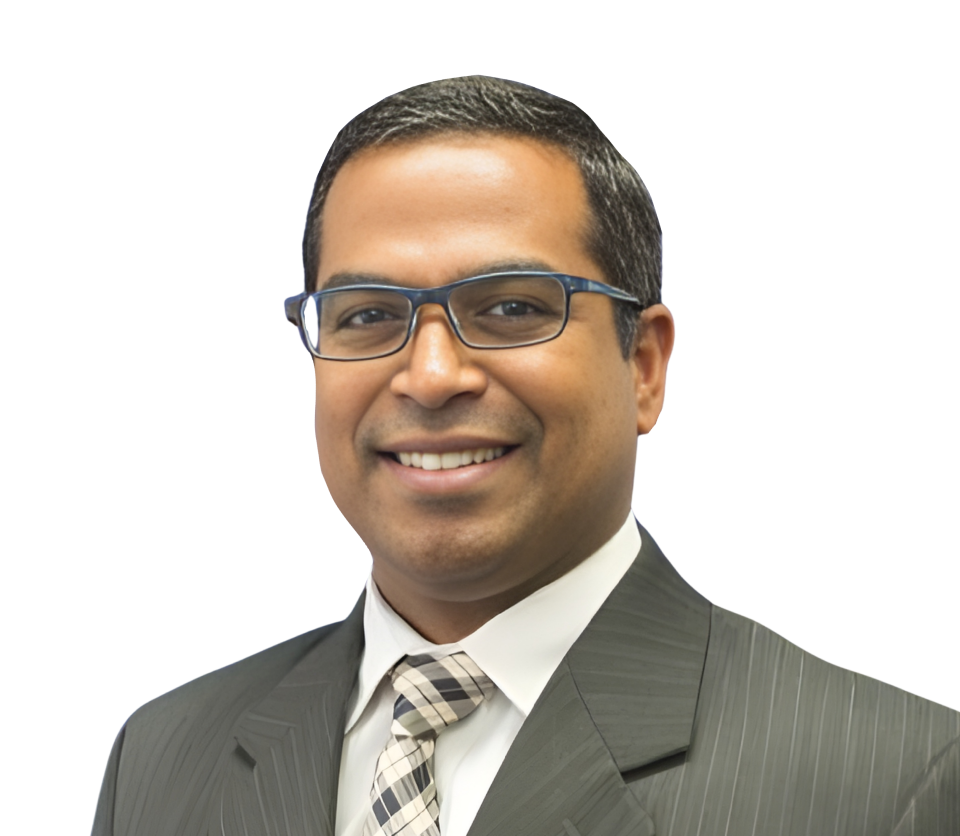

Ivan Fernandez
Frost & Sullivan
- Outlining key regulatory drivers, market restraints, and global differences in PFAS policy actions
- Comparing PFAS sources and matching treatment, concentration, and destruction technologies to each source
- Identifying cross-sector opportunities to improve outcomes through system-wide optimisation
17:15 - 17:20
Q&A SESSION ON GLOBAL APPROACHES TO PFAS IN DRINKING WATER
17:20 - 18:20
NETWORKING DRINKS RECEPTION
DAY 2 :
TUESDAY, 14 JULY, 2026
08:00 - 08:30
MORNING REFRESHMENTS
08:30 - 08:40
OPENING ADDRESS
08:40 - 09:10
PANEL DISCUSSION ON SMARTER PFAS MANAGEMENT: LEVERAGING DIGITAL TOOLS, SOURCE TRACKING, AND REAL-TIME MONITORING
09:10 - 09:35
PFAS CLAIMS IN 2026: LESSONS FROM AUSTRALIA’S EMERGING CASE LAW

Katherine Pickerd
Colin Biggers & Paisley Pty Ltd
- Reviewing major PFAS land contamination cases and analysing liability outcomes in a developing legal landscape
- Highlighting current and prospective court matters shaping future regulatory and litigation risks
09:35 - 09:40
Q&A SESSION ON LEGAL RISK AND PFAS LIABILITY TRENDS
09:40 - 10:05
FUNCTIONALISED MEMBRANES AND PHOTOCATALYTIC MATERIALS FOR PFAS REMOVAL AND HYBRID TREATMENT STRATEGIES

Masoumeh Zargar
Edith Cowan University
- Investigating functionalised membranes to enhance PFAS capture through improved separation efficiency
- Applying photocatalytic materials to enable PFAS transformation via adsorption and reaction mechanisms
- Integrating membrane and catalytic processes for hybrid PFAS treatment and advanced water reuse systems
10:05 - 10:10
Q&A SESSION ON ADVANCED MATERIALS AND HYBRID PROCESSES FOR PFAS TREATMENT SOLUTIONS
10:10 - 10:30
MORNING COFFEE BREAK IN THE EXHIBIT AREA
10:30 - 10:55
DIRECTING PFAS INVESTMENT THROUGH ECONOMIC ANALYSIS FOR COMPLIANCE AND RISK REDUCTION

Craig Lawrence
Lytton Advisory
- Applying economic analysis to prioritise PFAS investments across source control and treatment pathways
- Using lifecycle costing and risk-based appraisal to direct funding toward the most effective PFAS actions
- Framing staged PFAS investment decisions under regulatory uncertainty with transparent funding models
10:55 - 11:00
Q&A SESSION ON ECONOMIC ANALYSIS FOR STRATEGIC PFAS INVESTMENT AND RISK MANAGEMENT
11:00 - 11:25
BEYOND CAPTURE: ENGINEERING PATHWAYS TO PRACTICAL PFAS DESTRUCTION


Troy Warry
AusAOP
- Evaluating engineered systems that permanently cleave PFAS carbon-fluorine bonds under real-world conditions
- Examining hybrid oxidation-reduction trains and practical scaling from lab to field deployments
- Comparing global practices and regulatory drivers shaping PFAS destruction programmes
11:25 - 11:30
Q&A SESSION ON SCALING FIELD-READY PFAS DESTRUCTION TECHNOLOGIES
11:30 - 11:55
THERMAL TREATMENT FOR PFAS DESTRUCTION: CONDITIONS, BYPRODUCTS, AND SCALE

Nathan Weber
University of Technology Sydney
- Characterising thermal treatment as an EPA-acknowledged method for permanent PFAS bond cleavage
- Quantifying how temperature, mixing oxygen and water vapour govern PFAS conversion and PID formation
- Mapping the reactor conditions and process controls required for safe, scalable thermal PFAS destruction
11:55 - 12:00
Q&A SESSION ON OPTIMISING THERMAL TREATMENT FOR PFAS DESTRUCTION
12:00 - 12:15
FEEDBACK AND RAFFLE DRAW
12:15 - 12:30
CLOSING REMARKS
12:30 - 13:30
NETWORKING LUNCH
Become a Speaker & Join the Conversation
SUBSCRIBE FOR UPDATES
By submitting, you agree to receive email communications from the event organizers, including upcoming promotions and discounted tickets, news, and access to related events.