REGULATORY
How Queensland Is Getting Ahead of PFAS
Queensland's risk-based PFAS overhaul cuts compliance costs and tightens drinking water limits across the state
4 Jun 2026
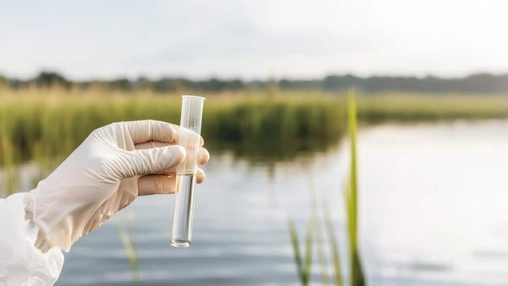
Queensland's zero-tolerance era on PFAS waste is over. Amendments to the Environmental Protection Regulation 2019 have replaced the automatic regulated-waste trigger with a threshold-based system, tying waste classification to measured contamination levels rather than the mere presence of forever chemicals. For infrastructure proponents, water utilities, and councils, the shift resets the compliance baseline across the state.
Gone are the rules that made any detectable PFAS an automatic trigger for regulated-waste status. Enforceable concentration limits now govern: PFOA in liquid below 0.001 micrograms per litre, PFOS and PFHxS combined under 0.002 µg/L. Proponents bear the burden of demonstrating compliance through rigorous sampling and laboratory QA/QC.
Drinking water standards have tightened just as sharply. Following the National Health and Medical Research Council's June 2025 revision of the Australian Drinking Water Guidelines, the PFOS limit dropped from 70 nanograms per litre to 8 ng/L, and PFOA from 560 ng/L to 2 ng/L. Water utilities including Seqwater must now operate within those bounds, with monitoring programs and infrastructure investment plans requiring material revision.
Soil management has also been reformed. Under updates to Schedule 9 of the EP Regulation, contaminated land on Queensland's Environmental Management Register no longer defaults to regulated-waste status where risk-based criteria are satisfied. Thermal destruction and on-site stabilisation are now the preferred pathways over landfill.
Unique among Australian states, Queensland formally binds government-owned entities, including ports, emergency services, and government corporations, to the same PFAS standards expected of private industry. A near-complete phase-out of legacy PFAS products not already prohibited under national bans is targeted by end of 2026.
Nationally, the stakes are rising. DCCEEW is expected to expand the IChEMS ban register to additional PFAS compounds by the end of June 2026, tightening the federal baseline that state frameworks must track. Queensland's evidence-based model positions it ahead of that curve.
Related News


SUBSCRIBE FOR UPDATES
By submitting, you agree to receive email communications from the event organizers, including upcoming promotions and discounted tickets, news, and access to related events.