INNOVATION
Spent Media, Serious Liability: Plasma Takes On PFAS
A plasma startup is commercially destroying PFAS at source, targeting the spent-media liability gap Australian utilities can't ignore
3 Jun 2026
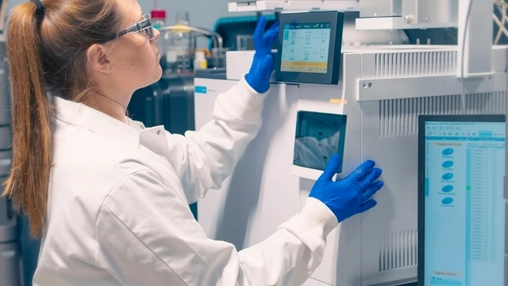
Non-thermal plasma has moved from laboratory research into commercial PFAS treatment, and Australia's growing spent-media disposal problem sits squarely in its path. Built on EPA-funded research at Clarkson University, DMAX Plasma ionises argon gas to fracture PFAS compounds at the molecular level, converting them into elemental components without producing hazardous secondary waste. By 2026, commercial systems are operating across contaminated groundwater sites, landfill leachate programmes, industrial wastewater facilities, and firefighting foam rinse applications in the United States.
The distinction from mainstream treatment methods lies in what this technology actually eliminates. Granular activated carbon and ion exchange resins adsorb PFAS; they do not destroy it. Spent media carries the full contaminant mass into a disposal cycle that regulators in Australia, the United States, and Europe are actively repricing. Reactive species cleave the carbon-fluorine bond, among the strongest in organic chemistry. The DMAX system runs continuously rather than in batches and deploys in under half a day as either a fixed installation or a trailer-mounted mobile unit.
Field pilots at US Department of Defense sites recorded mean PFAS removal of 99.7 per cent for long-chain compounds in a single reactor pass, at $7.30 per thousand gallons.
Hundreds of confirmed PFAS-affected water supply sites, tightening national drinking water guidelines, and volumes of spent media from newly deployed treatment infrastructure have created a disposal problem without a clear domestic answer. Modular plasma units are designed to treat concentrated waste from upstream ion exchange or foam fractionation, slotting into existing treatment trains rather than replacing them. That deployment model suits the capital constraints facing smaller regional water authorities.
Limits apply. Best performance comes from concentrated waste streams, not dilute source water, placing the technology at the back end of a treatment chain rather than at the intake. Short-chain compound destruction rates continue to trail long-chain performance, and independent full-scale data beyond military pilots remains limited. Named Sustainable Water Treatment Solution of the Year 2025 by Utilities Tech Outlook, DMAX Plasma has gained commercial credibility. As spent-media liability compounds alongside tightening regulation, permanent PFAS destruction is becoming the baseline expectation rather than an aspirational alternative.
Related News


SUBSCRIBE FOR UPDATES
By submitting, you agree to receive email communications from the event organizers, including upcoming promotions and discounted tickets, news, and access to related events.